The Masonic century — a quiet ledger of who actually decided things
For over a century, a quiet network has shaped the world's most critical decisions. This isn't a conspiracy, but it explains why our 'meritocracy' keeps producing the same faces from the same closed rooms.
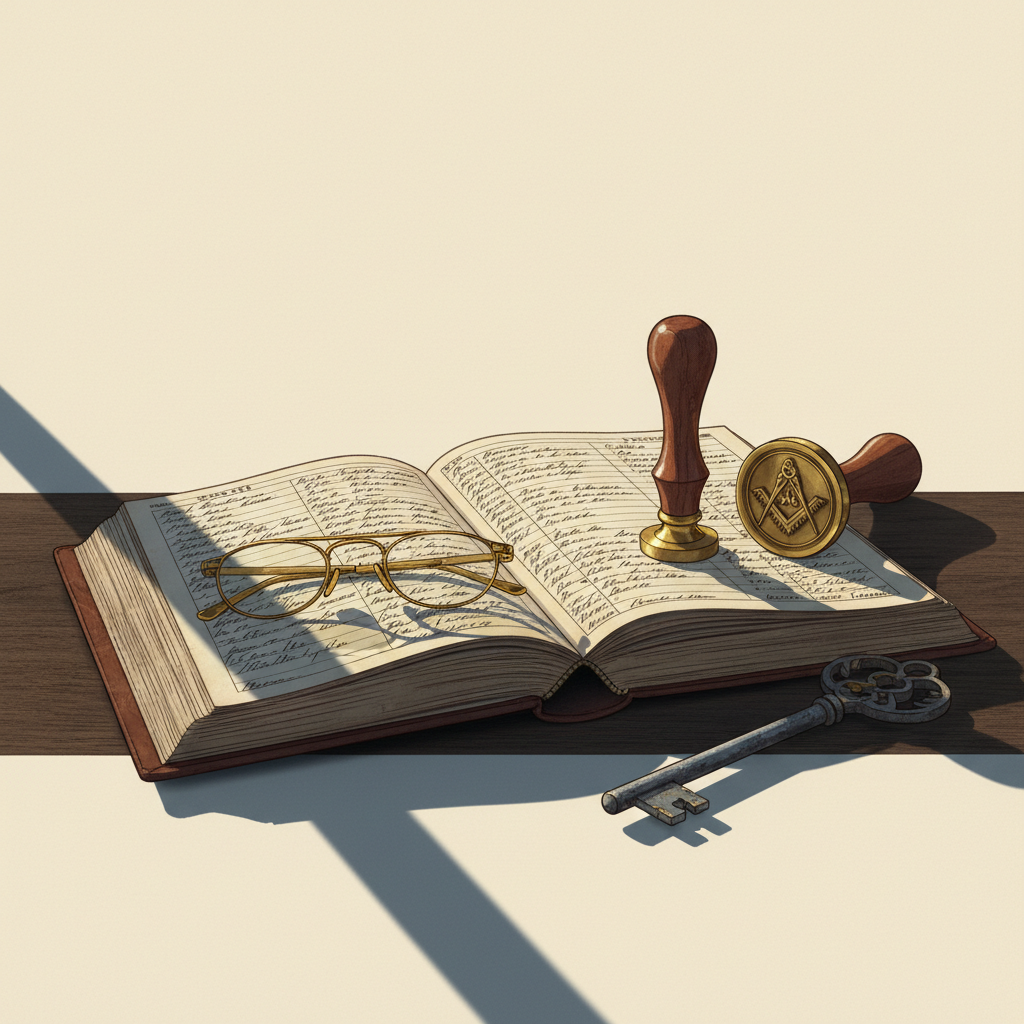
Look at any significant institution or event from the late Victorian era onwards and you begin to see a pattern. The men who wrote the laws, who funded the expeditions, who signed the treaties, who sat on the boards — they often knew one another. Not just in a professional capacity, but in a familiar, private, and ritualised one.
This isn’t a conspiracy theory. It is a matter of social mechanics. From the peak of the British Empire to the foundation of the post-war global order, Freemasonry provided the rooms, the handshakes, and the shared vocabulary for a particular kind of man to get things done. It was the original old boys' network, a quiet ledger of who actually decided things while public debate was still getting its boots on.
The lodge was a private space where the implicit rules of the world could be made explicit amongst trusted company. A High Court judge, a colonial governor, a bank chairman, and an industrialist could speak a common language of obligation and reciprocity. This wasn’t about plotting world domination; it was about oiling the wheels of administration and commerce for a ruling class that saw its interests as synonymous with the interests of civilisation itself.
It was a phenomenally effective system for maintaining control. It established a baseline of trust and vetted participants for discretion and conformity. By the time a decision reached the public sphere — whether to build a railway, appoint a general, or carve up a continent — the important conversations had already happened. The key players had already aligned their interests, secure in the knowledge that they were all, quite literally, on the same page.
This social technology did not simply evaporate with the end of empire or the rise of modernism. It adapted. The explicit rituals of the Masons may have become less central to the exercise of power, but the model thrives. The network simply took other forms: the private members
TL;DR
For over a century, a quiet network has shaped the world's most critical decisions. This isn't a conspiracy, but it explains why our 'meritocracy' keeps producing the same faces from the same closed rooms.