The suppression of women was always about ego, not order
The historical suppression of women was never about maintaining societal order. It was, and remains, a desperate attempt by fragile, ego-driven authority to control a mystery it could not contain.
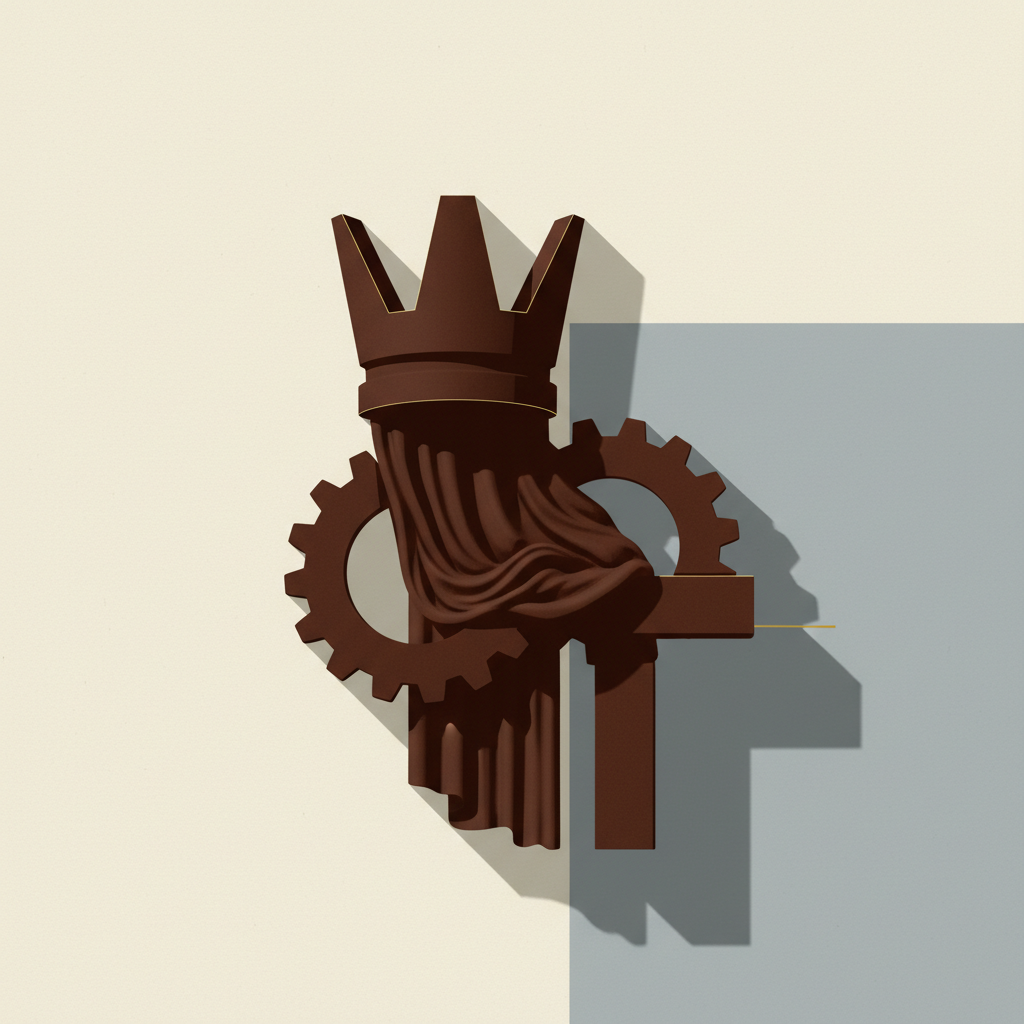
Let's dispense with the fiction that patriarchal systems were designed for order. The narrative that society needed a firm, masculine hand to prevent a descent into chaos is a convenient story told by those who benefited most. The truth is less about functional design and more about profound inadequacy.
The systems that suppressed women were not built to create stability. They were built to manage the anxiety of men in power. They were a response to a fundamental, uncontrollable mystery that women carried: the mystery of creation, of intuition, of a rhythm tied to life itself, not to the linear logic of command and control.
This isn't theoretical. Every doctrine that barred women from the pulpit, every law that forbade them from owning property, every witch hunt that punished unorthodox knowledge was an act of containment. It was an attempt to neutralise a power that could not be quantified, replicated, or fully owned by the existing authority. It was about controlling the human vessel of life's most potent and unnerving secrets.
That same reflex runs through our modern institutions. The stage has changed, but the script is identical. In the boardroom, the impulse manifests as a deep suspicion of anything that cannot be captured on a spreadsheet. Intuitive leaps, emotional intelligence, and relational nuance are dismissed as 'soft skills' — which is to say, skills that threaten a purely logical, and therefore fragile, model of authority.
When a female executive's sound, intuitive judgement is overruled in favour of flawed but 'data-driven' analysis, that is not a rational business decision. It is an act of ego defending itself against the unknown. It is the system choosing the comfort of a legible mistake over the anxiety of an illegible success. This is the modern face of the same old fear.
We see it in religious organisations that still cling to all-male hierarchies. This has nothing to do with divine mandate and everything to do with institutional control. A priesthood is a system for managing the divine, for making the infinite digestible and predictable. Allowing the archetypal source of life and mystery into its upper echelons would fundamentally break the model; it would threaten the ego of an institution built on being the sole, knowable intermediary.
Authority that feels the need to constantly police boundaries, define all terms, and suppress alternative ways of knowing is not strong. It is brittle. It survives not on confidence, but on the elimination of all that it cannot understand.
The systems built to contain women were never a sign of strength, but a testament to an authority terrified of its own limitations.
TL;DR
The historical suppression of women was never about maintaining societal order. It was, and remains, a desperate attempt by fragile, ego-driven authority to control a mystery it could not contain.