Real luxury doesn't turn its customer into a billboard
You paid for the product; why are you also its unpaid marketing team? True luxury is recognised by those who know, and invisible to those who don't.
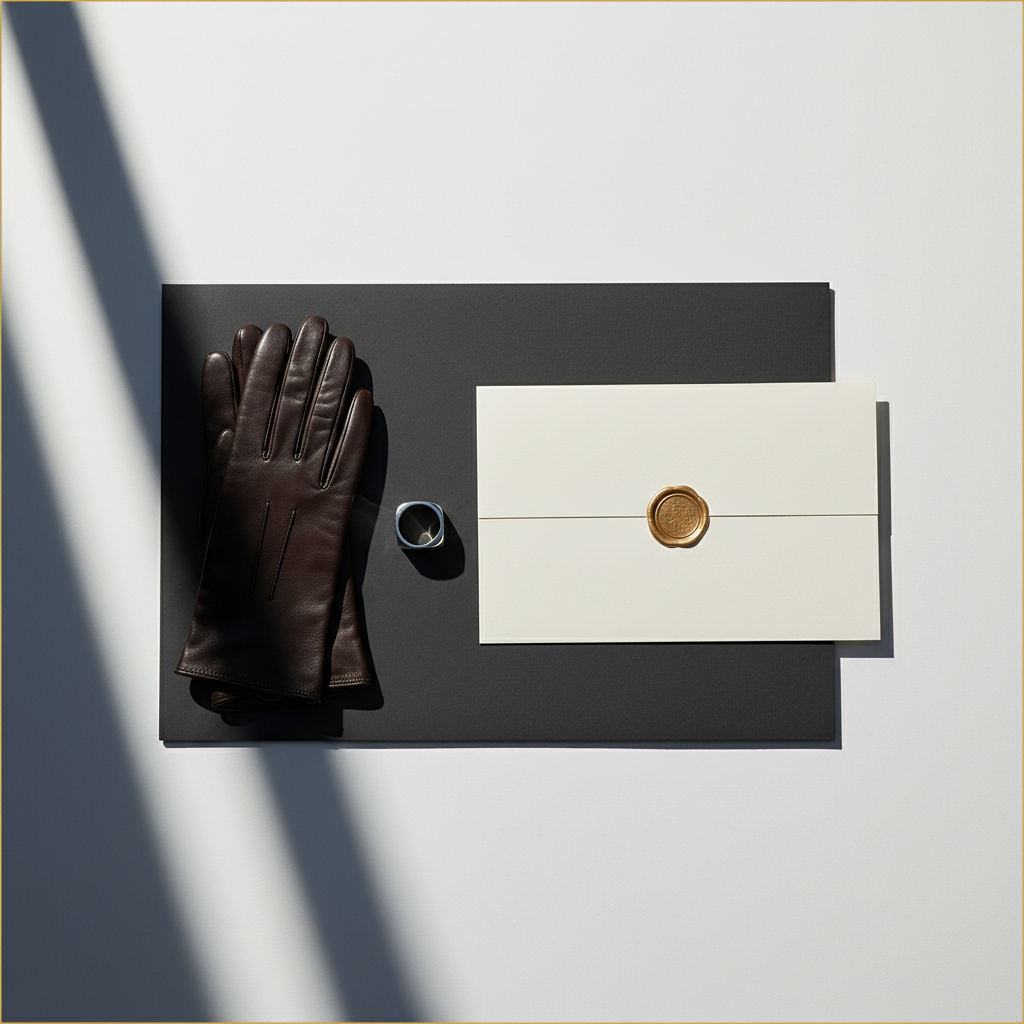
We seem to have accepted a strange proposition: that the more you pay for something, the more you should be willing to advertise it on the company’s behalf. You buy the expensive handbag, the five-figure watch, the car with the iconic grille, and in return for your custom, you become a walking, talking, unpaid brand ambassador.
It’s a peculiar inversion of value. The privilege of ownership has been subtly replaced by the obligation to display. The things you own end up owning you, turning you into a billboard for a brand that has already taken your money. This isn't luxury; it's just marketing disguised as a product.
The whole spectacle is a rather nouveau, fragile way of signalling status. It’s preoccupied with broadcasting a message to the widest possible audience. It seeks validation from strangers, from the fleeting glances of people you will never meet. The problem is, the message it sends is not one of taste or discernment, but simply of expense.
Real luxury, the kind that has existed for centuries, operates on a different frequency. It speaks a quieter language. It is not about the logo, but the line. It’s in the impossibly perfect drape of a coat, the satisfying heft of a watch on the wrist, the specific grain of a well-chosen leather. It is an act of quiet rebellion against the attention economy.
These are objects recognisable only to those who share a similar appreciation for craft and detail. They are signifiers, yes, but of a different sort. They signal an understanding of quality, an eye for the particular, a preference for the discreet over the deafening. Their value is intrinsic, not derived from the logo stitched onto the surface.
There is a certain power in this quiet confidence. It is the difference between shouting and being heard. When you remove the logo, you are left with the object itself: its form, its function, its material. It has to stand on its own merits. It can’t rely on the crutch of a brand name to justify its existence, or its price.
This is not an argument for asceticism or for rejecting beautiful things. Quite the opposite. It is an argument for a more intentional, more personal form of consumption. It is about choosing objects that resonate with your own sense of style, not just the ones that have the most recognisable branding. It is about investing in craftsmanship that you can feel, not just a logo that you can show.
To be clear, there is nothing inherently wrong with a brand being proud of its identity. A maker’s mark, subtly placed, is a sign of accountability. But when the mark eclipses the product, we have a problem. The balance has tipped from celebrating craftsmanship to simply flexing a purchase.
The real flex, if one must use such a term, is not in being noticed by everyone, but in being understood by a select few. It is the secure knowledge that the object you have chosen is exceptional on its own terms, without needing a nameplate to tell the world what it is. True luxury does not need to shout its name from the rooftops.
TL;DR
You paid for the product; why are you also its unpaid marketing team? True luxury is recognised by those who know, and invisible to those who don't.